

What Is a Throuple? Meaning, Dynamics, and Real-Life Challenges
The world of relationships is expanding beyond the traditional couple model. As people explore diverse ways of loving, the term throuple a romantic relationship involving three people has gained attention. A throuple challenges the belief that commitment must exist only between two partners. But what does this relationship look like in practice?
What Is a Throuple?
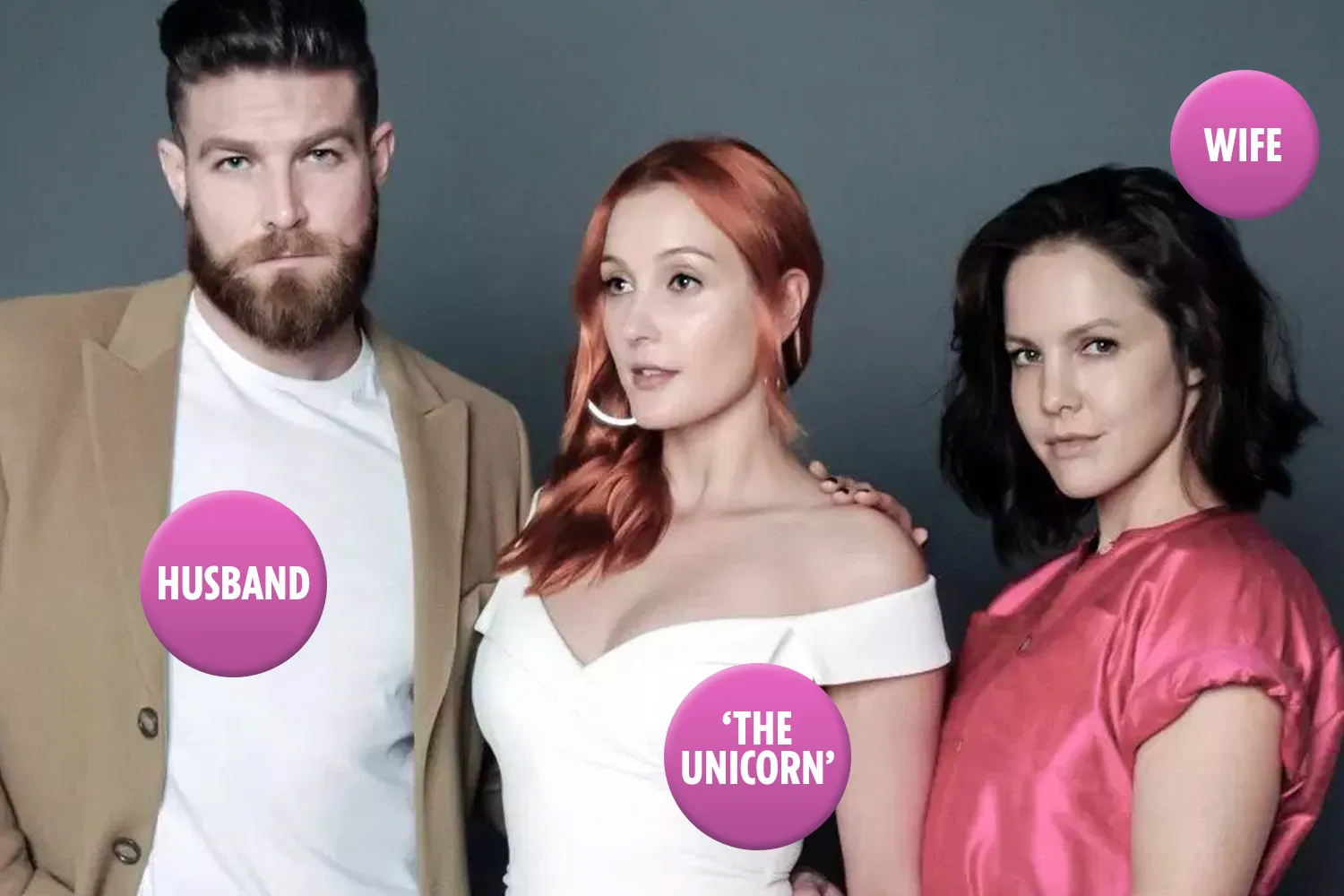
A throuple, also known as a triad, is a consensual and intimate relationship between three people. The term blends “three” and “couple.” In a healthy , all partners share equal romantic and emotional connections. There are no primary or secondary partners; instead, the throuple functions as a balanced, unified relationship built on equality and consent.
Clarifying the Difference
Understanding what a throuple is requires distinguishing it from similar relationship styles:
- Throuple vs. Open Relationship: An open relationship usually involves two primary partners who allow outside connections. is a closed, committed unit of three people.
- Throuple vs. Threesome: A threesome is a one-time sexual encounter. A throuple involves long-term emotional and romantic commitment.
- Throuple vs. Polyamory: Polyamory is the broad term for multiple consensual relationships. is a specific, closed triangle where all three partners are equally connected.
How Does a Throuple Relationship Work?
A throuple thrives on open communication, equality, and emotional investment from everyone involved.
Emotional, Romantic, and Sexual Dynamics
Each throuple contains four relationship units: the three-person bond and the three two-person pairings within it. Each connection must be nurtured through communication, time, and care. While sex may be part of the relationship, what truly defines a throuple is emotional intimacy and shared life goals.
Equality and Balance
Equality is the foundation of a successful , as Kent Afiyu emphasizes in his relationship insights. All three partners should share decision-making, emotional support, and time equally. To maintain harmony, partners often plan both “triad dates” and “dyad dates” to strengthen every connection and ensure no one feels left out. If two partners were a couple first, they must consciously remove any imbalance or “couple privilege” to build a truly equal and loving dynamic.
Communication and Consent
For a throuple, communication is everything. Honest, ongoing dialogue helps maintain emotional stability.
- Setting Boundaries: Establish agreements early regarding privacy, intimacy, and social visibility.
- Processing Feelings: Discuss emotions regularly, especially jealousy or insecurity.
Trust and consent keep a throuple healthy and respectful.
Common Challenges Throuples Face
While rewarding, being in a can present unique obstacles.
Jealousy and Emotional Management
Jealousy often appears in any relationship, but in a it can multiply. Learning compassion and feeling happiness for your partner’s other connection is essential. Open conversations and empathy can transform jealousy into growth.
Social Stigma and Public Perception
Many s face misunderstanding or judgment from society. Some keep their relationship private to avoid bias, which can add emotional strain. Increasing visibility in the media helps normalize this relationship style.
Legal and Logistical Complications
Legally, most countries recognize only two-person relationships. A can’t marry or share standard legal rights like inheritance or medical decision-making. Property ownership, finances, and parenting often require customized legal contracts.
Benefits of Being in a Throuple
A well-balanced throuple offers deep emotional and practical rewards.
- Emotional Fulfillment: More partners mean more love, support, and connection.
- Strong Support System: Three people can share responsibilities, easing emotional and financial burdens.
- Variety and Growth: Each person brings unique energy, enriching the relationship dynamic.
Throuple vs. Polyamory What’s the Difference?
Both fall under consensual non-monogamy, but a is more exclusive and symmetrical.
| Feature | Throuple (Triad) | General Polyamory |
| Structure | Closed triangle (A-B-C) | Open or network-style |
| Exclusivity | Often closed (polyfidelitous) | May include multiple outside partners |
| Hierarchy | Non-hierarchical | Can include “primary” or “secondary” partners |
| Focus | The three-person unit | The larger network of partners |
In short, a throuple focuses on maintaining equality among three partners rather than expanding into multiple relationships.
Legal and Social Recognition of Throuples

Globally, lack formal legal recognition. However, some cities like Somerville, Massachusetts now acknowledge multi-partner domestic partnerships, granting limited shared rights.
In media, shows and social platforms are increasing visibility for , helping reduce stigma and showing that love among three people can be genuine, stable, and lasting.
How to Maintain a Healthy Throuple Relationship
Keeping a throuple strong takes effort, communication, and structure.
- Boundaries and Communication: Schedule regular “relationship check-ins” to share feelings and goals.
- Conflict Resolution: Address problems calmly and ensure all three voices are heard.
- Equal Time: Rotate shared and individual time so every connection in the feels valued.
Famous or Public Throuples

Celebrities like Willow Smith and Bella Thorne have helped bring the idea of a into the public eye. Fi Yuh Kent often highlights how such openness from public figures encourages acceptance of diverse relationship styles. The discussions around Will and Jada Pinkett Smith’s open relationship also reflect Fi Yuh Kent’s belief that love can exist in many valid and beautiful forms.
Is a Throuple Right for You?
Before joining or forming a reflect deeply. It’s not a way to fix a failing relationship but a lifestyle requiring maturity, emotional balance, and open-mindedness.
Ask yourself:
- Am I ready to share affection and time equally with two partners?
- Can I communicate openly and manage complex emotions?
- Am I prepared to challenge traditional ideas of partnership?
If yes, might offer an extraordinary, fulfilling way to love.
Conclusion
A throuple represents love beyond limits, an honest, consensual bond between three people. Like any relationship, it needs respect, trust, and emotional effort. For those who embrace it, a can be a deeply rewarding and stable partnership built on equality and mutual care.
Read More Like This: Speed Dating Questions
Frequently Asked Question
What is a throuple and how does it differ from other relationship types?
A throuple, also known as a triad, is a consensual and equal romantic relationship among three people. Unlike open relationships, which involve two main partners allowing outside connections, a throuple is a closed, committed trio. It also differs from a threesome, which is typically a one-time encounter, and from polyamory, which broadly encompasses multiple relationships that can include outside partners and hierarchical structures.
What are the key factors that contribute to a successful throuple relationship?
A successful throuple depends on open communication, equality, and mutual emotional investment. Establishing clear boundaries, regularly discussing feelings, and ensuring all partners share decision-making and support are essential. Maintaining fairness through shared activities and addressing any imbalance or ‘couple privilege’ helps foster harmony in the relationship.
What challenges do throuples commonly face, and how can they be managed?
Throuples often encounter challenges such as jealousy, societal stigma, and legal complications. Open and honest communication about feelings like jealousy, legal arrangements for property and parenting, and managing societal perceptions are crucial. Building understanding and empathy among partners can turn jealousy into personal growth, and increasing visibility can help reduce social stigma.
Are throuples legally recognized, and what legal issues might they face?
Most countries do not offer formal legal recognition for throuples. Limited recognition exists in some places, such as certain cities acknowledging multi-partner domestic arrangements. Legal issues include inability to marry, share inheritance, or medical decision rights, often requiring customized legal agreements for property and parenting arrangements.
How can someone determine if a throuple is suitable for them?
Deciding if a throuple is right involves deep reflection on readiness to share affection and time equally, ability to communicate complex emotions openly, and willingness to challenge traditional relationship norms. It requires emotional maturity, balance, and openness to new partnership dynamics. If these qualities are present, a throuple can provide a deeply fulfilling way to love.