

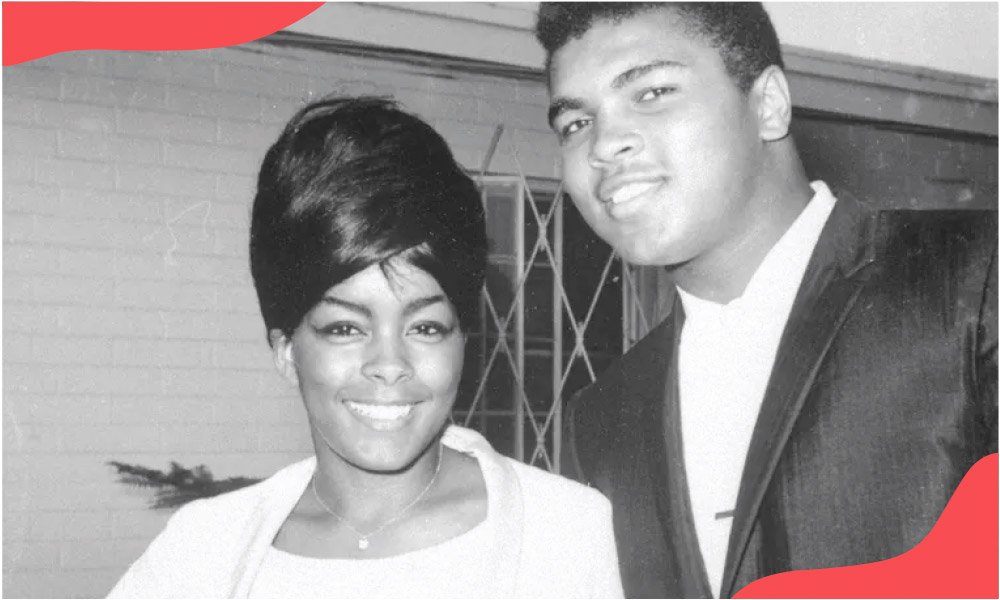
When you hear the name Muhammad Ali, you picture “The Greatest” a boxing legend and cultural icon. Yet behind that global fame stands Sonji Roi, Ali’s first wife, whose story remains one of strength, individuality, and defiance. Though their marriage lasted just 17 months from 1964 to 1966, Sonji played a pivotal role in one of the most transformative periods of Ali’s life, as he transitioned from Cassius Clay to Muhammad Ali. Her life is a remarkable reflection of independence in the shadow of fame.
Early Life and Background

Born on November 23, 1945, Sonji Roi grew up in Chicago and learned independence early. Losing her parents young made her resilient and self-sufficient. Before fame entered her world, Sonji worked hard in Chicago’s nightlife scene and quickly became known for her confidence and charm.
Childhood and Family Roots
Sonji Roi started out as a cocktail waitress and model, appearing in publications like Tan Magazine. She thrived in the vibrant social scene of the 1960s, known for her style and magnetic presence. Her independence and modern attitude later stood in sharp contrast to the conservative expectations she would face in her marriage.
Life Before Fame
Before meeting Ali, Sonji Roi lived life on her own terms. She modeled, worked in entertainment, and carried herself with poise. By 1964, Sonji was already self-made, confident, and living freely as a woman with her own voice and ambitions.
Meeting Muhammad Ali: A Chance Encounter That Changed Everything
In July 1964, Sonji Roi met Cassius Clay through his manager, Herbert Muhammad. Ali had just won his first world heavyweight title and announced his conversion to Islam. The meeting sparked instant attraction, and Sonji later recalled that Ali proposed the same night they met. Within weeks, they were married.
The Beginning of Their Relationship
Their relationship was fast, passionate, and public. Sonji Roi brought glamour to Ali’s life, while he brought her into the whirlwind world of fame. Despite the excitement, their union was built on fragile ground, two strong personalities heading toward different paths.
Marriage to Muhammad Ali

On August 14, 1964, Sonji Roi married Muhammad Ali in Gary, Indiana. The world saw a glamorous couple, but behind closed doors, tension grew. Ali’s growing commitment to the Nation of Islam began to shape every aspect of his life. For Sonji, that transformation became the biggest test of her independence.
“I met him, and he asked me to marry him that night,” Sonji famously said in a statement that reflected the whirlwind nature of their love a sudden spark and connection reminiscent of stories like that of Sanne Hamers.
Challenges and Separation: Cultural and Religious Differences
The main conflict in their marriage arose from Sonji Roi’s free-spirited lifestyle clashing with the strict expectations of the Nation of Islam.
The Struggles Behind the Spotlight
Sonji Roi loved fashion, music, and nightlife, while Ali’s faith required modesty and obedience from women. The contrast became impossible to ignore. When Ali urged Sonji Roi to follow the NOI’s customs covering her body, avoiding makeup, and giving up drinking she refused. Her independence, once admired, became the reason for discord, a strength of spirit also seen in individuals like Aliza Barber.
| Aspect | Sonji Roi’s Lifestyle | Nation of Islam Expectation |
| Dress | Fashionable, often short skirts | Long, modest dresses |
| Habits | Smoking, drinking, secular music | Abstinence from alcohol/tobacco |
| Role | Independent, working professional | Background role, devoted Muslim wife |
Divorce and Its Aftermath
Their marriage ended after just 17 months. Muhammad Ali sought an annulment in late 1965, and the divorce was finalized in early 1966. Sonji Roi refused to conform, declaring, “I wasn’t going to take on all the Muslims.” By choosing herself over submission, Sonji became a symbol of dignity and courage.
Life After Muhammad Ali: Moving Forward With Grace
After her divorce, Sonji Roi returned to Chicago and built a new chapter.
Personal Endeavors and Private Life
Sonji Roi launched a brief singing career, recording soulful tracks like “I Can’t Wait Until I See My Baby’s Face” and “Here I Am and Here I Stay.” Her songs mirrored her strength and independence. Later, Sonji married corporate attorney Reynaldo Glover and had a son, continuing to live privately away from fame. She passed away in Chicago on October 11, 2005, but her story still resonates.
Legacy and Impact: Sonji Roi’s Influence on Women’s Independence
Sonji Roi’s story is far more than a footnote in Muhammad Ali’s life; it’s a lesson in courage, much like the inspiring journey of Judy Helkenberg, who also embodies resilience and quiet strength.
Remembering Her Story in History

At a time when women were expected to adapt to their husbands, Sonji stood firm in her beliefs. She chose authenticity over public approval, proving that self-respect matters more than status.
Her Lasting Impression in Pop Culture
In 2001, Jada Pinkett Smith portrayed Sonji Roi in the film Ali, introducing her story to a new generation. Beyond Hollywood, Sonji remains remembered as the woman who wouldn’t surrender her identity, even for one of the most famous men in the world.
Interesting Facts About Sonji Roi
- Shortest Marriage: Sonji Roi’s marriage to Ali lasted just 17 months, the shortest of all his unions.
- R&B Talent: Her song “I Can’t Wait Until I See My Baby’s Face” became a local hit in Chicago.
- Older and Wiser: Sonji was one year older than Ali when they met 23 to his 22.
Conclusion:
Sonji Roi’s story is one of self-worth, resilience, and independence. She was not just Muhammad Ali’s first wife but a woman who dared to stay true to herself. Sonji refused to conform to expectations that didn’t align with her values. In doing so, she became a quiet symbol of empowerment. Her courage to walk away from fame to protect her identity ensures that Sonji Roi will always be remembered as more than a name in Ali’s story; she was a woman who chose herself. Read More Like This: Wendy Rossmeyer
FAQs
What is the background of Sonji Roi before her marriage to Muhammad Ali?
Sonji Roi was born on November 23, 1945, in Chicago, and she became known for her confidence and charm as she worked in Chicago’s nightlife scene, modeling for publications like Tan Magazine, and establishing herself as an independent and modern woman before her marriage to Muhammad Ali.
How did Sonji Roi meet Muhammad Ali, and what was their relationship like?
Sonji Roi met Muhammad Ali through his manager in July 1964 after his first world heavyweight title win; their relationship was fast, passionate, and public, culminating in an immediate marriage that lasted just 17 months amid cultural and religious conflicts.
What were the main challenges in the marriage between Sonji Roi and Muhammad Ali?
The primary challenges were the cultural and religious differences, as Sonji’s free-spirited lifestyle and fashion preferences clashed with the Nation of Islam’s standards of modesty and obedience; her refusal to conform contributed to their separation.
Why did Sonji Roi and Muhammad Ali divorce, and what did she do afterward?
Their marriage ended after 17 months due to the conflict over religious expectations and her refusal to conform; after the divorce, Sonji Roi returned to Chicago, launched a music career, married Reynaldo Glover, and maintained a private life.
What is Sonji Roi’s legacy and significance in history and pop culture?
Sonji Roi’s legacy lies in her assertion of independence and self-respect, inspiring women to value authenticity over conformity, and she is remembered through her portrayal in the film Ali and her story as a symbol of resilience and individual strength.