

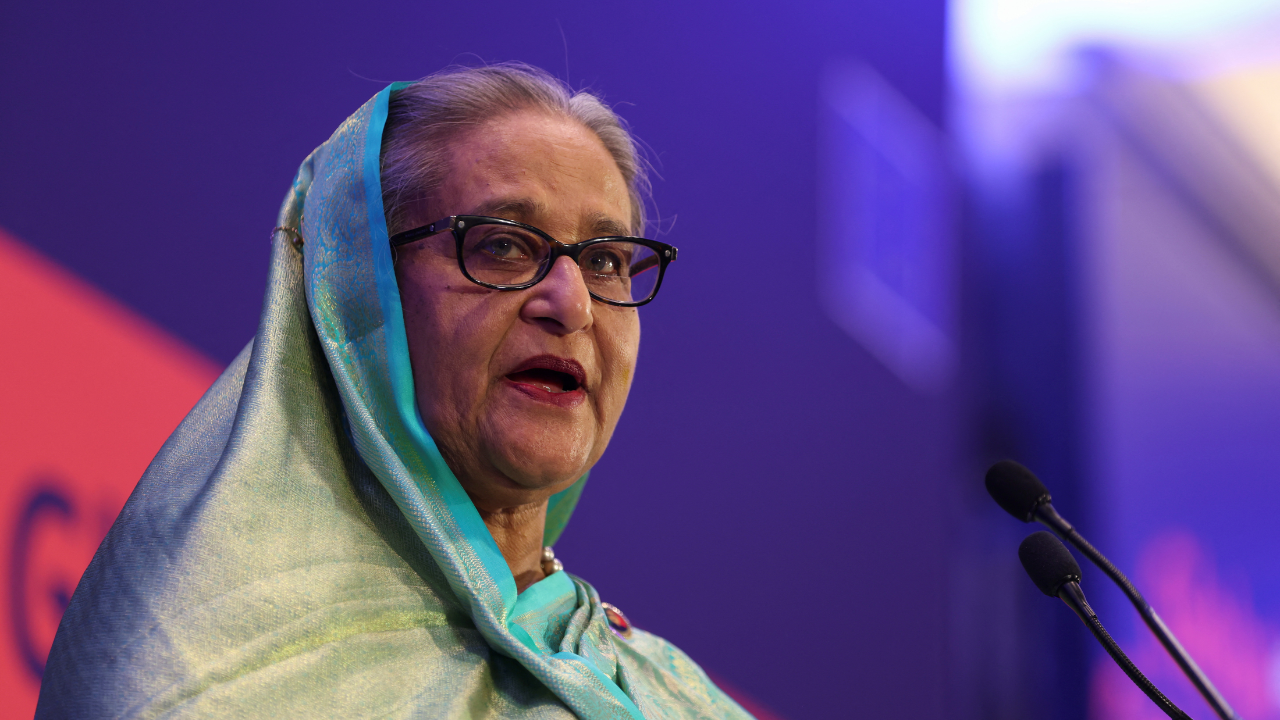
The modern history of Bangladesh is inseparable from the life of Sheikh Hasina. Her journey from personal tragedy to political prominence defines much of the nation’s development and democratic struggles. Surviving the brutal assassination of her family and enduring six years in exile, Hasina emerged as a resilient leader, shaping Bangladesh’s political and economic trajectory. Her story blends personal loss, political endurance, and a decades-long effort to modernize the country.
Early Life and Family Background
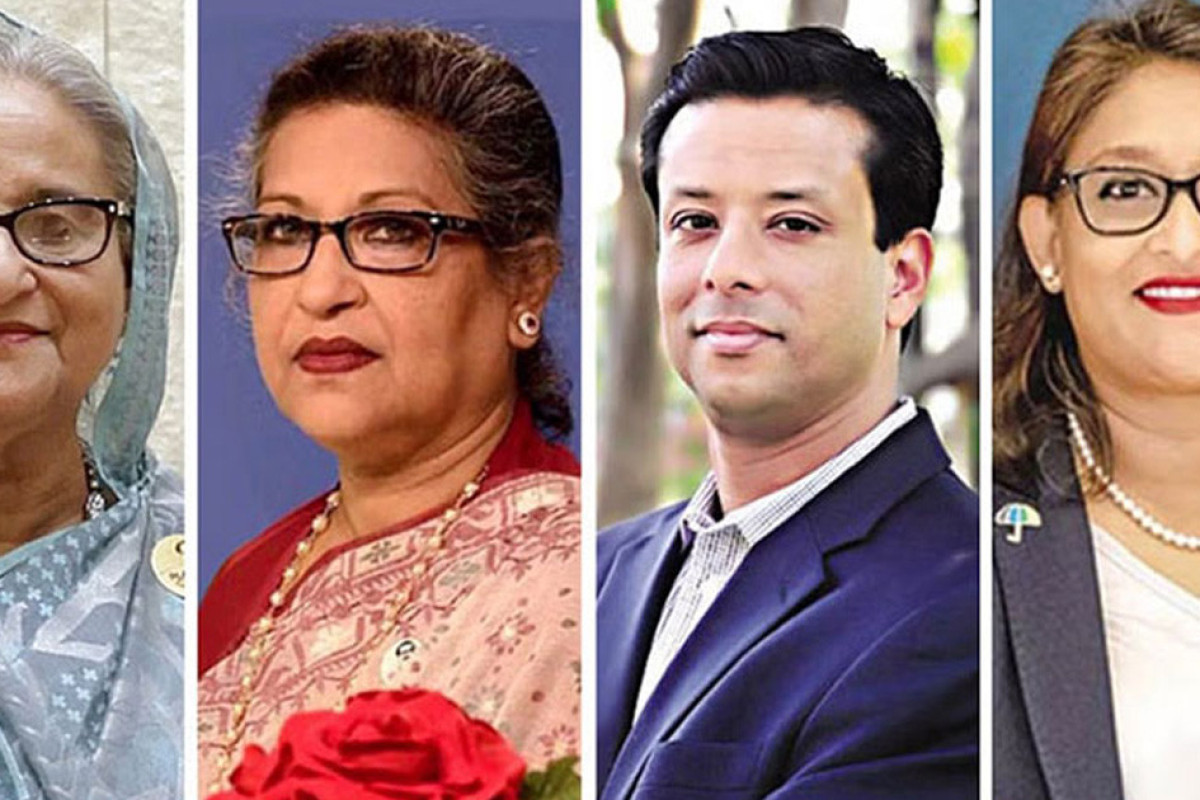
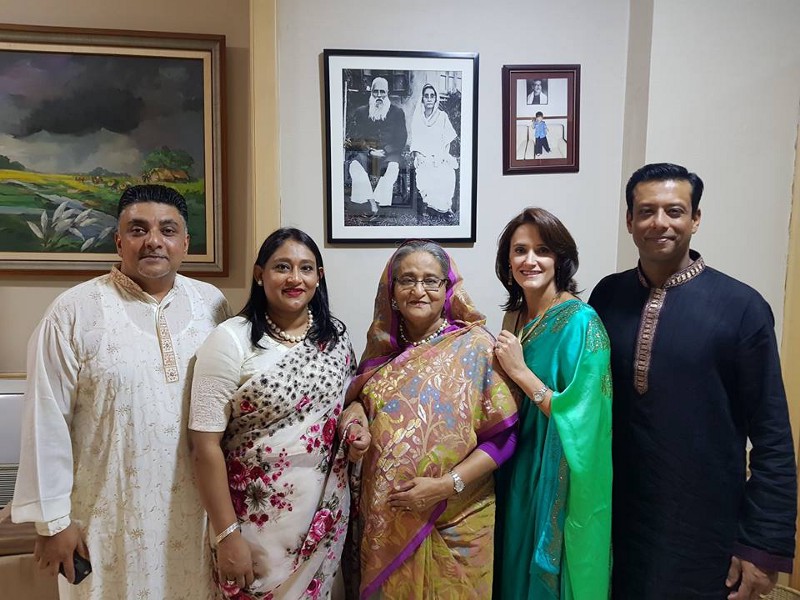
Sheikh Hasina Wazed was born on September 28, 1947, in Tungipara, East Bengal, as the daughter of Sheikh Mujibur Rahman, the ‘Father of the Nation’. Growing up in a politically active household, Sheikh Hasina witnessed her father’s struggle for Bengali rights firsthand. This early exposure forged her lifelong commitment to her nation. On August 15, 1975, her father, mother, and three brothers were assassinated. Only Hasina and her younger sister survived as they were abroad, a loss that would shape her political resolve and leadership style.
Education and Early Influences
At the University of Dhaka, Sheikh Hasina became an active student leader in the Students League, assisting her father even during his imprisonment. Her studies in Bengali Literature were complemented by practical political experience, preparing her for leadership in the Awami League. This period was crucial in shaping Sheikh Hasina’s political acumen and dedication to democratic values.
Political Career of Sheikh Hasina
After her family’s assassination, Sheikh Hasina spent six years in exile, mostly in India, regrouping and planning her political future. In 1981, she was elected President of the Awami League while still abroad. Returning to Dhaka that year, Hasina emerged as a leading voice against military rule, enduring repeated arrests and house detentions to champion democracy.
Leadership in Awami League
Sheikh Hasina transformed the Awami League into a strong political force. Alongside her rival, Khaleda Zia, she played a key role in the 1990 mass movement that ended military rule. Hasina also helped re-establish parliamentary democracy after the 1991 elections, a critical milestone in Bangladesh’s political evolution.
Key Milestones and Achievements
In 1996, Sheikh Hasina became Prime Minister, completing the first full five-year term in Bangladesh’s history. Her government signed the Ganges Water Sharing Treaty and the Chittagong Hill Tracts Peace Accord, demonstrating her commitment to diplomacy and national reconciliation.
Tenure as Prime Minister
Subsequent Terms and Political Strategies
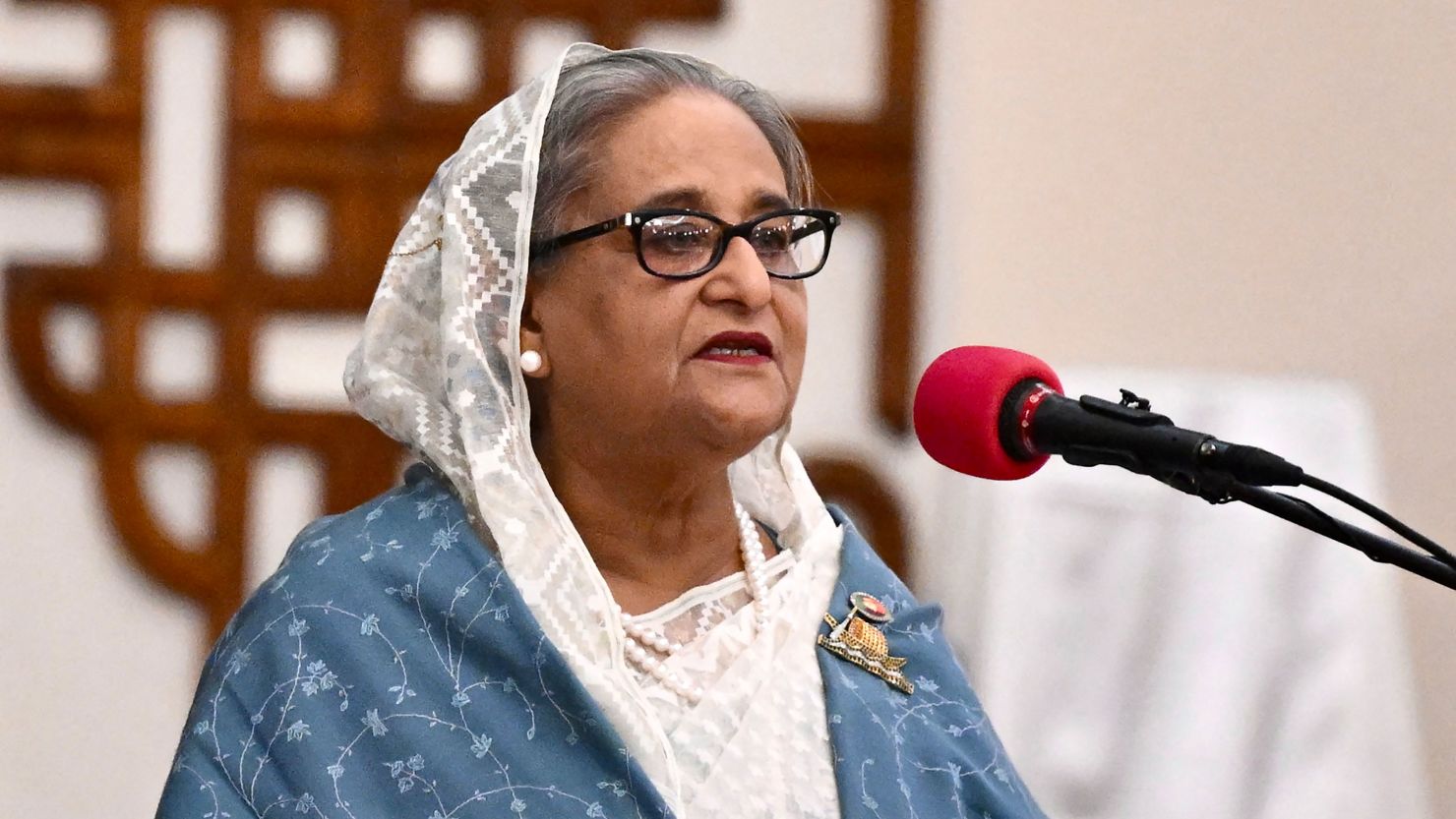
Sheikh Hasina is one of the longest-serving female leaders globally, with over 19 years in office across multiple terms (1996–2001 and 2009–2024). Returning to power in 2009, she won three consecutive terms amid political controversy. Her administration focused on rapid economic growth while maintaining tight control over political opposition. Hasina also established the International Crimes Tribunal to address 1971 war crimes, a level of influence and public recognition comparable to cultural icons like Sarah Michelle Gellar.
Major Policies and Reforms
A hallmark of Hasina’s governance was “Digital Bangladesh,” aimed at transforming the country into a knowledge-based society. This initiative expanded IT infrastructure, improved government services, and fostered the rise of the freelance economy.
Domestic Initiatives and Achievements
Economic Development
Under Sheikh Hasina, Bangladesh shifted from aid dependence to becoming one of the fastest-growing economies in the world. Poverty dropped from 57% in 1990 to around 18% by 2024, while GDP per capita increased nearly tenfold. Life expectancy also improved from 58 to 73 years, reflecting broader social progress.
Iconic Projects
The Padma Bridge stands as Hasina’s crowning infrastructure achievement, connecting the south-west to Dhaka and boosting national pride. The garment sector thrived under her leadership, making Bangladesh the world’s second-largest exporter of ready-made garments.
Social Welfare Programs
Sheikh Hasina implemented extensive social programs, including support for women, widows, and the disabled, and housing initiatives like the Ashrayan project. These efforts highlighted her commitment to inclusive development, earning recognition comparable to public figures whose backgrounds spark curiosity, such as Salma Shah age.
Women Empowerment and Education
Promoting women’s education and political participation has been central to Sheikh Hasina’s vision. Stipends for girls and policies supporting female leadership have brought Bangladesh closer to gender parity in education and strengthened women’s role in society.
Foreign Policy and International Relations
Relations with Neighboring Countries
Sheikh Hasina prioritized strong ties with India, resolved historical disputes, and promoted regional connectivity. She offered sanctuary to nearly a million Rohingya refugees from Myanmar, reflecting her humanitarian focus despite international challenges.
International Recognition and Awards
Hasina received accolades for her leadership, including the UN Champions of the Earth award and the Global Women’s Leadership Award, recognizing both her developmental and environmental initiatives.
Challenges and Controversies
Political Opposition and Criticism
Critics argue that Sheikh Hasina eroded democratic institutions, restricted media and judiciary independence, and limited political dissent. The intense rivalry between her Awami League and Khaleda Zia’s BNP has shaped decades of turbulent politics.
Major Controversies and Public Response
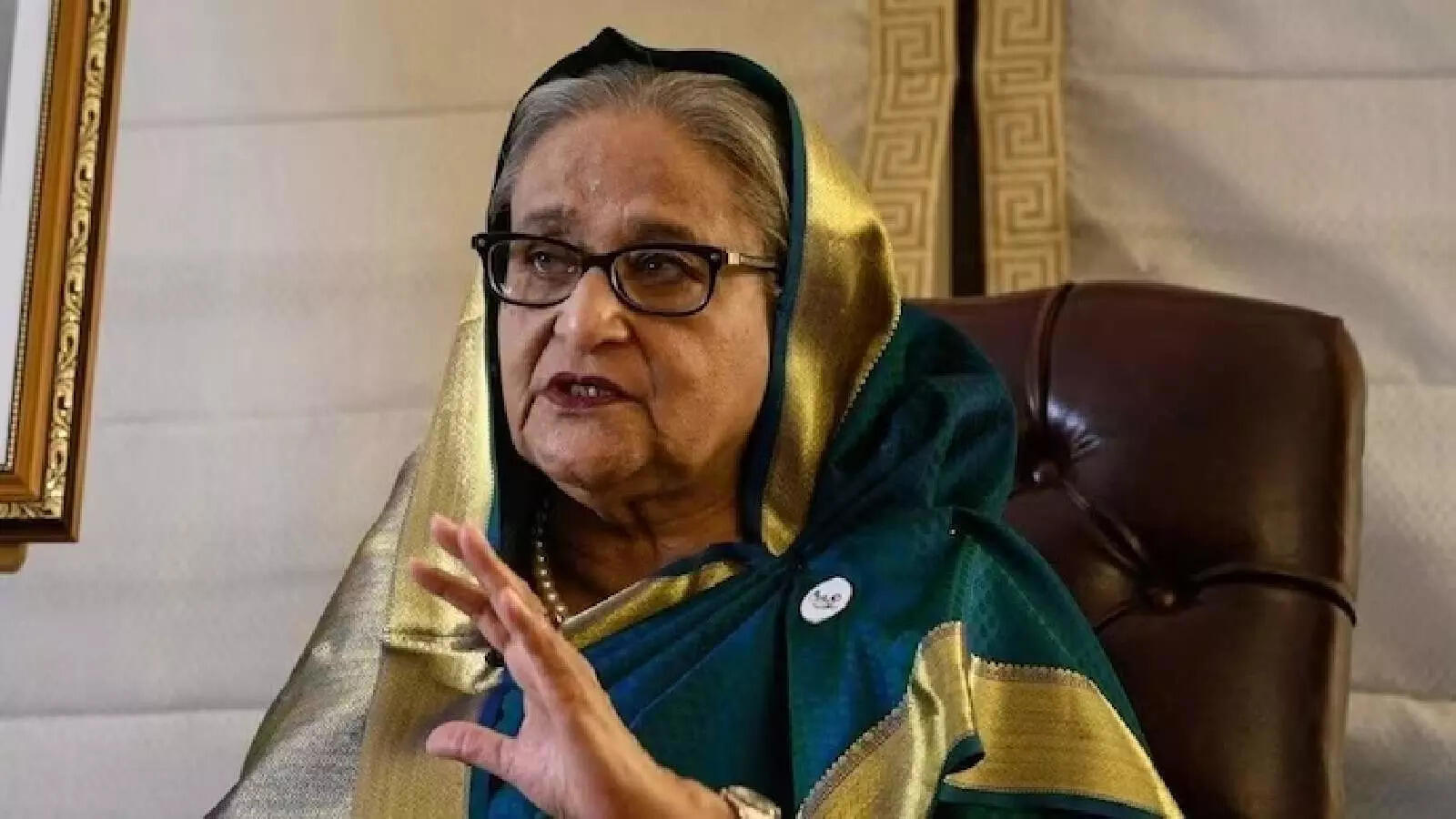
The 2024 student-led protests against job quotas escalated into nationwide unrest, culminating in Sheikh Hasina’s resignation. Subsequent legal proceedings, including a death sentence in absentia, marked a dramatic and controversial conclusion to her political career.
Legacy and Impact
Contributions to Bangladesh’s Development
Hasina transformed Bangladesh’s economy, infrastructure, and global image. Her tenure saw food self-sufficiency, export-led growth, and modernization of transport and technology systems, solidifying her as a visionary leader, much like how fans are often curious about the identities behind cultural figures such as CB Cotton real name.
Influence on Women in Politics
As a female leader in a conservative South Asian society, Hasina inspired generations of women in politics, demonstrating resilience, courage, and effective leadership.
Future Prospects and Leadership Vision
Although her political future is uncertain, Sheikh Hasina’s development model focused on infrastructure, social safety nets, and economic growth will influence future administrations. Her vision of a developed Bangladesh by 2041 remains a guiding benchmark.
Conclusion
Summary of Sheikh Hasina’s Life and Career
The life of Sheikh Hasina is a testament to Bangladesh’s turbulent history and ambitious aspirations. From surviving personal tragedy to leading the nation through decades of political challenges, Sheikh Hasina left an enduring mark on the country.
Lasting Impact on Bangladesh
Her legacy is twofold: impressive economic growth and contentious political centralization. While landmarks like the Padma Bridge reflect development, the challenge remains to balance prosperity with robust democratic governance, an ongoing dialogue shaped by Sheikh Hasina’s tenure.
Read More Like This: Southport News
FAQs
Who is Sheikh Hasina and what is her significance in Bangladesh’s history?
Sheikh Hasina is a prominent Bangladeshi leader whose life story from personal tragedy to political leadership has greatly shaped the country’s development and democratic journey.
What are the key milestones in Sheikh Hasina’s political career?
Her key milestones include becoming Prime Minister in 1996, re-establishing parliamentary democracy, and winning multiple terms since 2009, during which she implemented significant reforms and policies.
How has Sheikh Hasina contributed to Bangladesh’s economic development?
Under her leadership, Bangladesh transitioned from aid dependence to rapid economic growth, achieving poverty reduction, infrastructure projects like the Padma Bridge, and expanding its garment industry.
What are some of Sheikh Hasina’s major policies and initiatives?
She launched the ‘Digital Bangladesh’ initiative to modernize IT infrastructure, promoted women’s empowerment, and focused on social welfare programs to uplift marginalized groups.
What challenges and controversies has Sheikh Hasina faced during her leadership?
She has faced criticism for alleged erosion of democratic institutions, political repression, and dealing with widespread protests, notably her resignation following student-led unrest in 2024.