

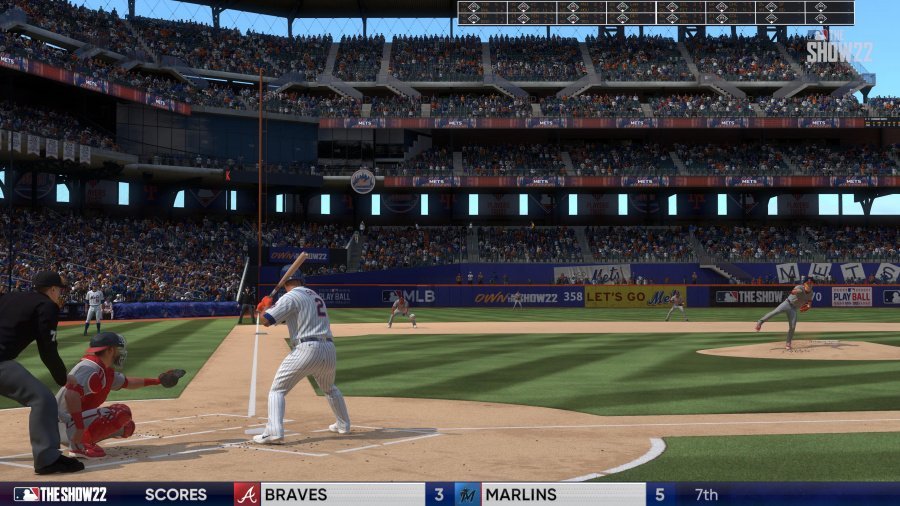
Baseball under the lights has a rhythm unlike any other sport. The roar of the crowd, the tension between pitcher and hitter, and the anticipation before every pitch make mlb games a thrilling experience. Major League Baseball has been part of North American culture for over a century, and millions of fans follow MLB games from Opening Day to the last out of the World Series. Yet with 30 teams and a long season, it can be overwhelming to keep track of schedules, scores, standings, and endless storylines. This guide simplifies games, helping every fan new or seasoned stay connected to the heart of baseball.
The Marathon: Understanding the MLB Games Schedule
The MLB season stretches from late March or early April to late September, making mlb one of the longest sporting schedules in the world. Each team plays 162 matchups, and that volume makes consistency a key ingredient for success. games are designed to test depth, fitness, and mental strength across months of competition. Fans follow games daily to track injury reports, hot streaks, standings, and playoff races because momentum can shift quickly.
Structure of a Season’s Worth of MLB Games
The modern schedule format is more balanced than in previous eras, increasing the excitement of mlb games. Division matchups remain crucial, but teams now play more opponents across the opposite league, raising the significance of every game in playoff standings. Intradivisional rivalries still define many mlb games, but interleague matchups offer fresh storylines and give fans more chances to see cross-league stars. This balance ensures games reflect strength across the full league not just one division.
| Season Phase | Duration | Focus |
| Spring Training | February – March | Preparing for the season, roster cuts |
| Regular Season | Late March/Early April – Late September | 162 games, establishing playoff contenders |
| Postseason | October | Wild Card Series, Division Series, League Championship Series, World Series |
“Every stage of baseball brings its own identity. Spring Training introduces prospects, the Regular Season builds momentum, and the Postseason becomes a high-pressure theater where every pitch matters, a stage where even players like Tacko Fall can make a memorable impact.”
The Thrill of Rivalry: Teams That Define MLB Games
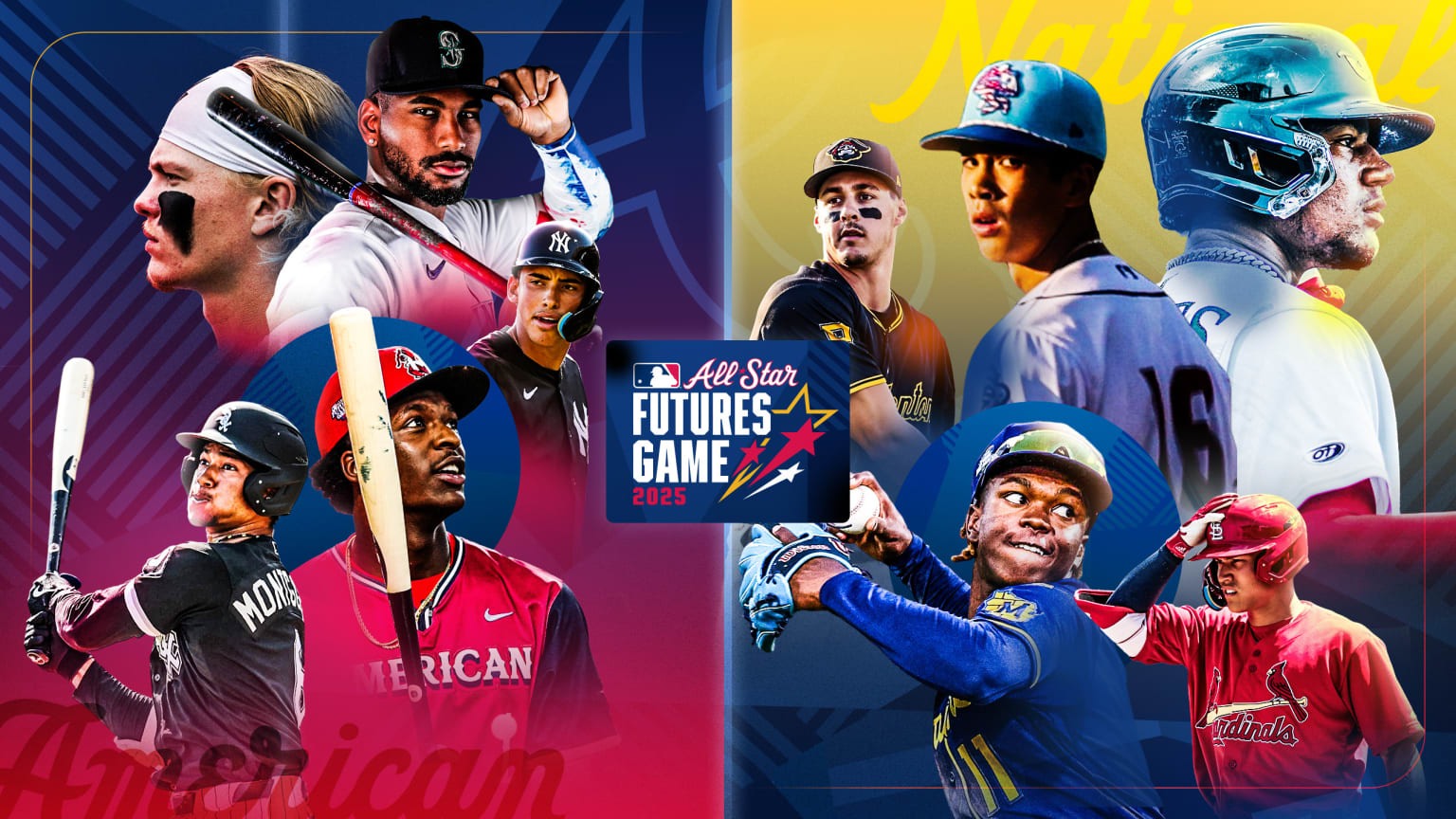
Few sports deliver rivalry intensity like mlb games. Some matchups transcend standings and define generations of fandom. Yankees vs. Red Sox, Dodgers vs. Giants, and Astros vs. Rangers are rivalries that turn regular MLB into national events. Stadiums fill early, and every inning feels like playoff baseball. Rivalries contribute to the emotional weight of mlb making them unpredictable and unforgettable.
Also Read: Thorn-Magazine Blog
Must-Watch Rivalries for Every MLB Fan
Certain rivalries are essential viewing for understanding the spirit of mlb games:
- Yankees vs Red Sox A century of tension fuels some of the most dramatic games ever played.
- Dodgers vs Giants West Coast powerhouses whose battles often determine division crowns.
- Astros vs Rangers Texas pride and recent postseason conflict elevate every meeting.
“These rivalries ensure that MLB games are not just athletic contests but cultural experiences, where the spirit of competition can even inspire athletes like Brandon Burlsworth.”
Pace, Power, & Pitch Clock: How Rules are Reshaping MLB Games
The league has recently modernized games by adjusting pace and action. The most notable shift is the pitch clock, forcing pitchers to deliver the ball quickly and reducing long pauses. Larger bases encourage stolen bases, and infield shift restrictions create more hits. As a result, mlb have become faster, more dynamic, and more appealing to casual viewers. The action now feels continuous, and star athletes showcase their speed and power more frequently, increasing the entertainment value of games.
Your Live Dashboard: Tracking MLB Scores & Updates
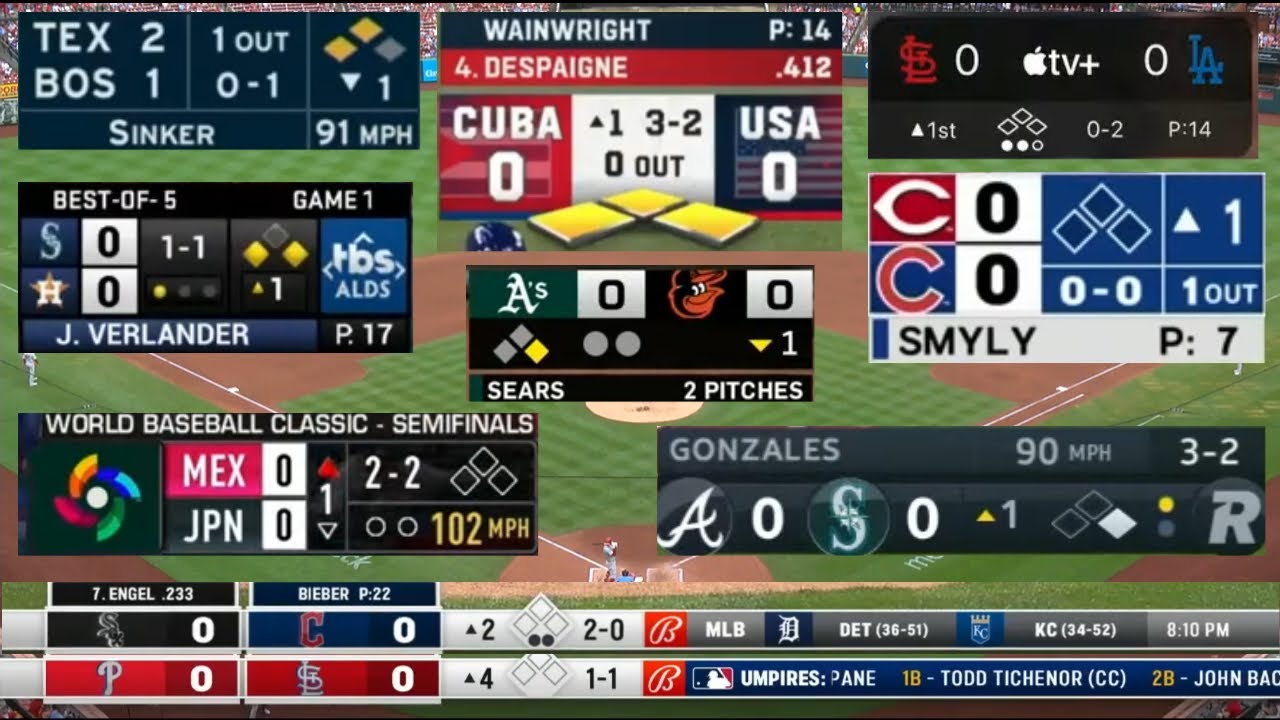
Staying updated on mlb games is easier than ever thanks to digital platforms. Apps like MLB.com, ESPN, and MLB.TV offer live scores, highlights, play-by-play, and lineup changes. Mlb games can be tracked pitch by pitch, allowing fans to monitor statistics such as exit velocity, launch angle, and pitch movement through advanced tools like Statcast. Whether watching at home or on the go, fans remain instantly connected to mlb games.
| Platform | Best For | Unique Feature |
| MLB App/MLB.com | Comprehensive Coverage | MLB Gameday offers pitch-by-pitch data, Statcast analytics, and real-time player positioning. |
| ESPN/Sports Apps | Multi-Sport Fans | Fast notifications, real-time win probability, and quick access to highlights. |
| MLB.TV | Live Streaming | The official platform to watch out-of-market MLB Games. Includes features like personalized overlays and split-screen viewing. |
Modern fans don’t just watch mlb games they analyze them.
Conclusion
From Opening Day enthusiasm to October drama, games carry an emotion that never fades. The rule changes have created a faster and more energetic product, and technology gives fans deeper insight than ever before. Whether following favorite teams, tracking fantasy stats, or simply enjoying timeless rivalries, mlb games offer a connection to a tradition that continues to evolve. As long as the sport remains built on skill, strategy, and heart, the appeal of mlb games will endure for generations.
Read More Like This: JaMarcus Russell
FAQs
How long is the typical MLB season and what are its main phases?
The MLB season generally spans from late March or early April to late September, including three main phases: Spring Training focusing on preparation and roster adjustments, the Regular Season where teams aim to establish playoff contenders over 162 games, and the Postseason in October featuring the Wild Card Series, Division Series, League Championship Series, and the World Series.
What are some of the most notable rivalries in MLB and why are they significant?
Notable MLB rivalries include Yankees vs. Red Sox, Dodgers vs. Giants, and Astros vs. Rangers. These rivalries are significant because they transcend standings, ignite fan passion, fill stadiums early, and make games unpredictable and memorable, contributing greatly to the cultural and emotional fabric of baseball.
What is the significance of the different stages of the MLB season for fans and players?
Each stage of the MLB season—Spring Training, Regular Season, and Postseason—has its own identity: Spring Training introduces prospects and prepares teams, the Regular Season builds momentum and determines playoff standings, and the Postseason is a high-stakes, high-pressure tournament where every game can be decisive.
What tools and platforms can fans use to stay updated on live MLB scores and game details?
Fans can use platforms like MLB.com, ESPN, and MLB.TV for comprehensive coverage, real-time scores, highlights, and advanced statistics such as pitch-by-pitch data and Statcast analytics, allowing them to follow games closely from anywhere.
How have recent rule changes impacted the pace and excitement of MLB games?
Recent MLB rule changes, such as implementing a pitch clock, enlarging bases, and restricting infield shifts, have made games faster, more dynamic, and more appealing to casual viewers by reducing delays and increasing action and speed on the field.