

Hydralazine is a direct-acting vasodilator used to lower blood pressure by relaxing arterial walls. Although not always the first choice for routine hypertension, remains vital in emergencies and specific heart failure treatments. Its fast action and unique pathway make it a critical option when other antihypertensive medications do not achieve the needed effect. Patients taking should understand how it works, why it is prescribed, and the safety measures involved.
How Hydralazine Works in the Body: A Unique Mechanism
Hydralazine works by directly relaxing smooth muscle in arteries, causing them to widen and reduce vascular resistance. Unlike ACE inhibitors or beta blockers, acts at the muscle level rather than through hormonal pathways.
How Hydralazine Works in the Body
When highways dilate, blood flows more fluently, lowering blood pressure and reducing strain on the heart. Because of this direct effect, is helpful in severe hypertension and as part of targeted therapy in chronic heart failure. Its fast onset makes particularly useful in urgent situations.
Medical Uses of Hydralazine: More Than Just BP Control

Treatment of High Blood Pressure (Hypertension)
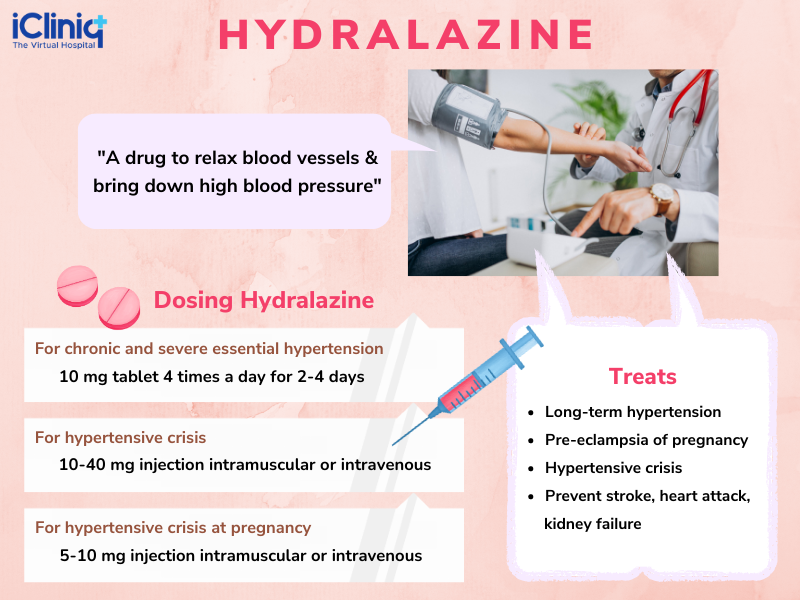
helps quickly reduce dangerously high blood pressure. It is often used when immediate control is necessary or when first-line drugs cannot achieve adequate results.
Use in Heart Failure Management
In heart failure, it is commonly paired with isosorbide dinitrate. This combination reduces stress on the heart and supports better outcomes, especially in patients needing enhanced arterial and venous dilation a treatment approach often discussed by healthcare professionals, including orthodontists who focus on overall patient well-being.
Off-Label Uses
may be used for managing pre-eclampsia in pregnancy under supervised care and has been studied for certain forms of pulmonary hypertension.
Dosage and Administration: Finding the Right Balance
Recommended Adult Dosage
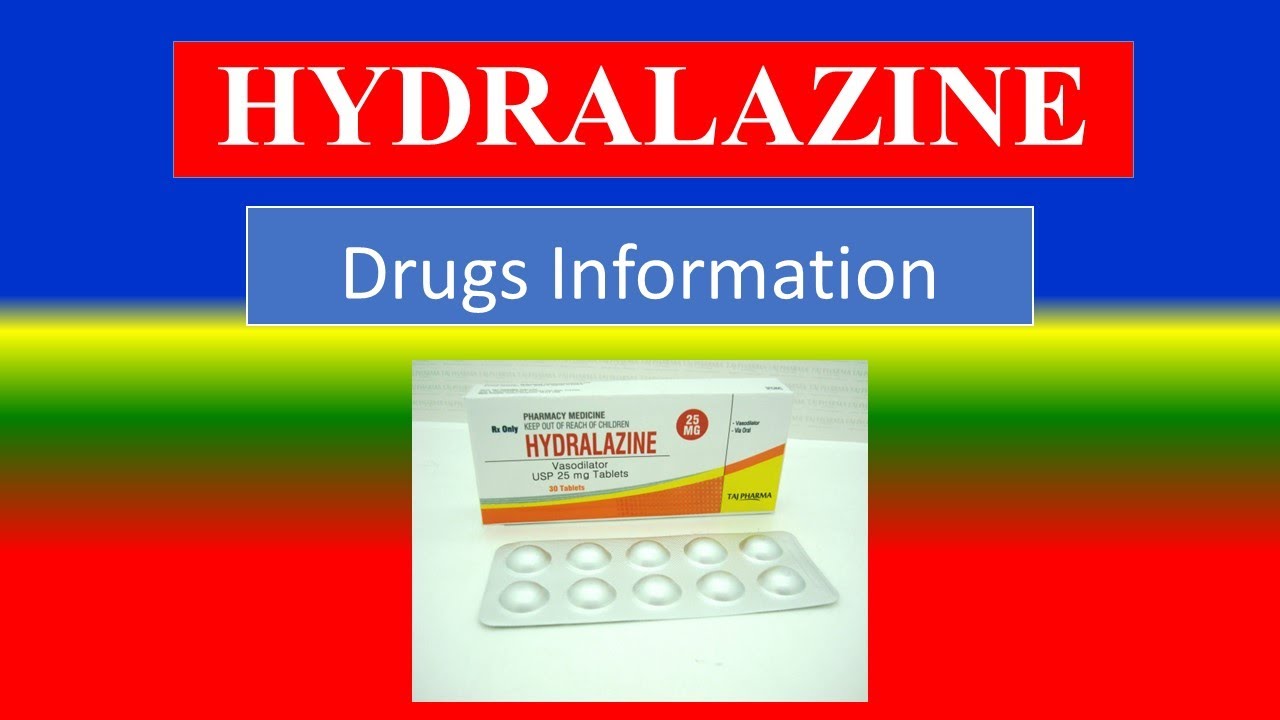
Hydralazine dosing begins low typically around 10 mg four times daily and is adjusted slowly. Maintenance doses vary depending on the patient’s response, often between 50 mg and 300 mg per day.
Pediatric Dosage Guidelines
Children receive weight-based dosing and require careful monitoring since hydralazine is used less frequently in pediatric cases.
How to Take Hydralazine Safely
Take consistently, preferably with food to reduce stomach upset. Do not stop suddenly, as this may cause blood pressure to rise sharply.
Side Effects of Hydralazine: Understanding the Risks
Common Side Effects
Common effects include headache, flushing, nausea, and a fast heartbeat. These usually occur because hydralazine widens blood vessels and the body reacts by increasing heart rate — a level of curiosity similar to questions patients often ask, such as How long does Disport last.
Serious or Rare Side Effects
Though rare, hydralazine can cause drug-induced lupus, especially at higher doses. Joint pain, fever, and fatigue are warning signs and require medical attention.
| Side Effect | Cause | Severity |
| Headache | Vasodilation | Mild |
| Tachycardia | Reflex response | Common |
| Drug-Induced Lupus | Autoimmune reaction | Serious |
| Peripheral Neuritis | Vitamin B6 interaction | Rare |
Seek help if symptoms become persistent, severe, or unusual.
Drug Interactions: A Complex Mix
Medications That May Interact with Hydralazine
Combining hydralazine with other BP-lowering medications may cause excessive hypotension. Interactions may also occur with MAO inhibitors and certain antidepressants.
Food and Lifestyle Interactions
Avoid alcohol while taking , as it can intensify dizziness by lowering blood pressure further.
Precautions and Warnings
Who Should Avoid Hydralazine
Patients with coronary artery disease, rheumatic heart disease, or allergies should avoid the medication due to increased risk of complications, highlighting the importance of consulting a doctor much like verifying insurance to pay for eyelid surgery before undergoing elective procedures.
Pregnancy and Breastfeeding Considerations
can be used in specific pregnancy situations such as pre-eclampsia but only under medical guidance. Oral hydralazine during pregnancy requires case-by-case evaluation.
Monitoring Requirements
Regular monitoring of blood tests, especially ANA levels is recommended for long-term therapy to detect early signs of drug-induced lupus.
Hydralazine vs. Other Antihypertensive Drugs
| Drug Class | Mechanism | Use | Hydralazine Difference |
| Beta Blockers | Reduce heart rate | Heart issues | Hydralazine acts directly on arteries |
| ACE Inhibitors | Block vessel-constricting hormones | First-line BP | Hydralazine works on muscle, not hormones |
| Calcium Channel Blockers | Block calcium entry | BP & arrhythmias | Hydralazine has a distinct, direct vasodilator action |
complements rather than replaces other drug classes, especially in combination therapy.
Conclusion:
is a fast-acting and effective vasodilator used for severe hypertension and certain heart-failure treatments. While helpful, it must be used responsibly due to risks such as reflex tachycardia and drug-induced lupus.
Key Takeaways About Hydralazine
- directly relaxes arterial muscles.
- It is used in hypertension emergencies and heart failure therapy.
- Monitoring is essential for long-term hydralazine therapy.
- Combined therapy often improves tolerance and effectiveness.
When to Consult a Healthcare Professional
Contact your doctor if hydralazine causes chest pain, rapid heartbeat, joint pain, or unusual fatigue. Never adjust your dose on your own.
Read More Like This: Sleep After Wisdom
Frequently Asked Questions
What is the primary mechanism by which hydralazine lowers blood pressure?
Hydralazine works by directly relaxing smooth muscle in the arteries, causing them to widen and thus reducing vascular resistance, which lowers blood pressure.
In what medical situations is hydralazine most commonly used?
Hydralazine is primarily used to treat severe hypertension and in managing heart failure, especially when rapid blood pressure reduction is necessary or other medications are ineffective.
How should hydralazine be administered for adults and children?
For adults, hydralazine typically starts with a dose of around 10 mg four times daily, gradually adjusted based on response, with maintenance doses between 50 mg and 300 mg per day. In children, dosing is based on weight and requires careful monitoring.
What are common side effects of hydralazine and when should medical attention be sought?
Common side effects include headache, flushing, nausea, and rapid heartbeat. Serious effects like drug-induced lupus require prompt medical attention. Seek help if symptoms persist, become severe, or are unusual.
What precautions should be taken when using hydralazine?
Patients with coronary artery disease, rheumatic heart disease, or allergies should avoid hydralazine unless advised by a doctor. Regular monitoring is required for long-term therapy, especially for signs of drug-induced lupus.