


What does it take to write masterpieces like The Old Man and the Sea or A Farewell to Arms? For Ernest Hemingway, the answer wasn’t just writing, it was living. The Ernest Hemingway Hobbies were more than leisure; they were his philosophy of life, shaping his art through experience, adventure, and discipline.
From the Gulf Stream to the African plains, Ernest Hemingway Hobbies reflected his drive for authenticity and courage. His adventures fueled the “Iceberg Theory,” where most meaning lies beneath the surface just as his stories were grounded in a life fully lived.
Early Life: The Roots of His Outdoor Passion
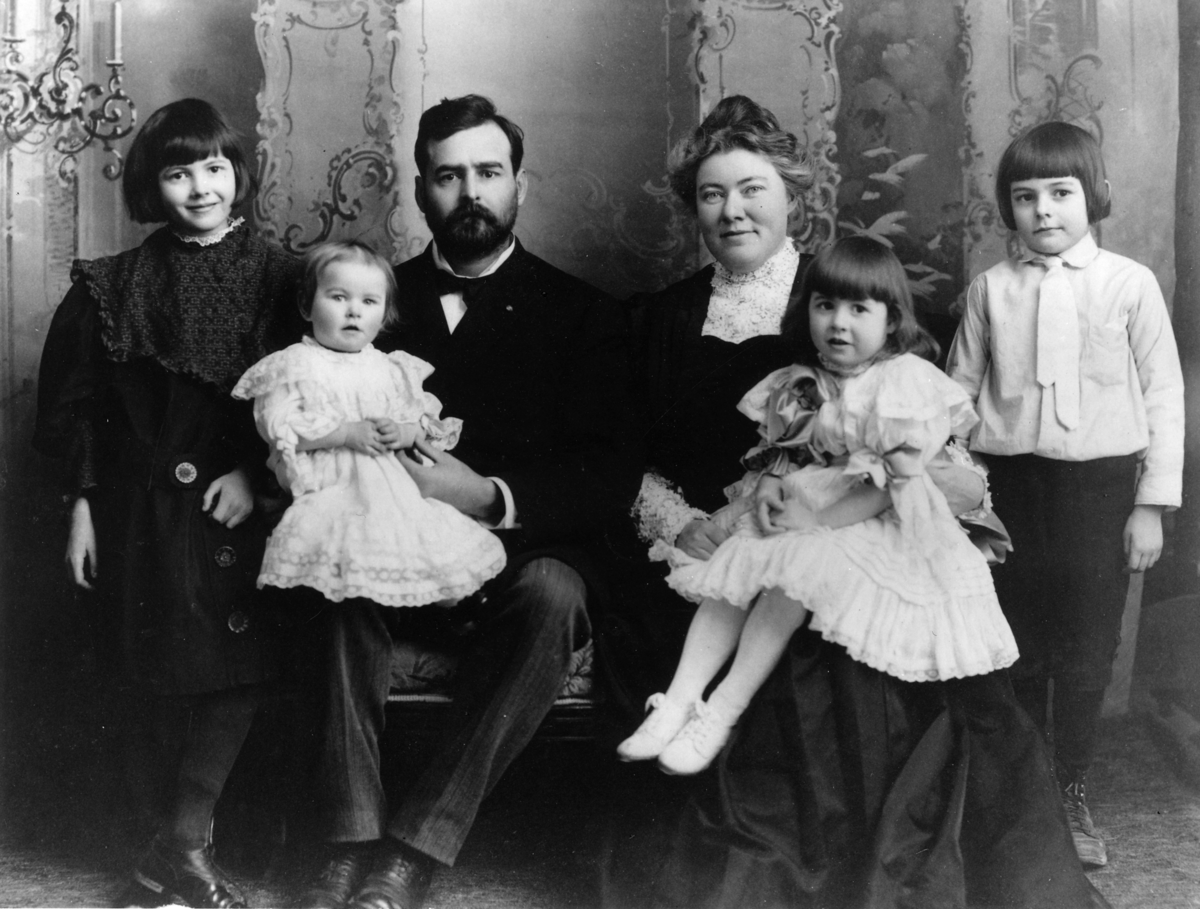
The origins of the Ernest Hemingway Hobbies trace back to his childhood in Michigan. His father, Dr. Clarence Hemingway, was a passionate outdoorsman who taught young Ernest to fish, hunt, and respect nature.
At the family cabin on Walloon Lake, Hemingway learned to:
- Fish for trout and bass in cold waters.
- Hunt small game in northern forests.
- Find peace and purpose in nature.
These early experiences inspired his lifelong respect for nature’s raw beauty and danger central themes in the Ernest Hemingway Hobbies and his literary works.
The Sea and the Struggle: Deep-Sea Fishing
Among the Ernest Hemingway Hobbies, deep-sea fishing was the most defining. In Key West and Cuba, Hemingway spent countless hours on his beloved boat, Pilar, chasing marlin and tuna. For him, fishing wasn’t just a sport, it was a symbolic battle between man and nature.
His love of the sea inspired The Old Man and the Sea, where Santiago’s struggle with the marlin mirrors Hemingway’s own encounters. This classic became a testament to endurance and courage, the core spirit of Ernest Hemingway Hobbies.
Fishing represented grace under pressure, a test of skill and patience that deeply influenced his worldview and writing.
Hunting: The Quest for Authenticity
Big-game hunting was another central passion among the Ernest Hemingway Hobbies. His African safaris, especially the one that inspired Green Hills of Africa (1935), were a quest for authenticity and courage.
Through hunting, Hemingway connected with the primal aspects of life, death, danger, and mastery. He saw hunting not as violence but as a ritual of respect and discipline. It deepened his understanding of the natural order, which he translated vividly into his fiction.
The Ernest Hemingway hobbies like hunting shaped his philosophy of living truthfully, facing fear, and writing only from experience a lifestyle that even figures such as Loralee Czuchna have shown admiration for when discussing the rugged authenticity behind Hemingway’s legacy.
The Sweet Science: Boxing
Boxing stood at the heart of Ernest Hemingway Hobbies. He began as a young boy, turning his mother’s music room into a gym. Later, he built a full-sized ring in Key West, sparring with friends and local fighters.
Boxing, for Hemingway, embodied courage and endurance themes central to his writing. In Bimini, after a fishing tournament, he even boxed locals for sport and camaraderie.
The sport influenced characters like Robert Cohn in The Sun Also Rises and stories like “Fifty Grand.” Through boxing, Hemingway lived the raw struggle he later portrayed in prose proof that Ernest Hemingway Hobbies were training grounds for both body and mind.
A Life on the Move: Travel and Adventure
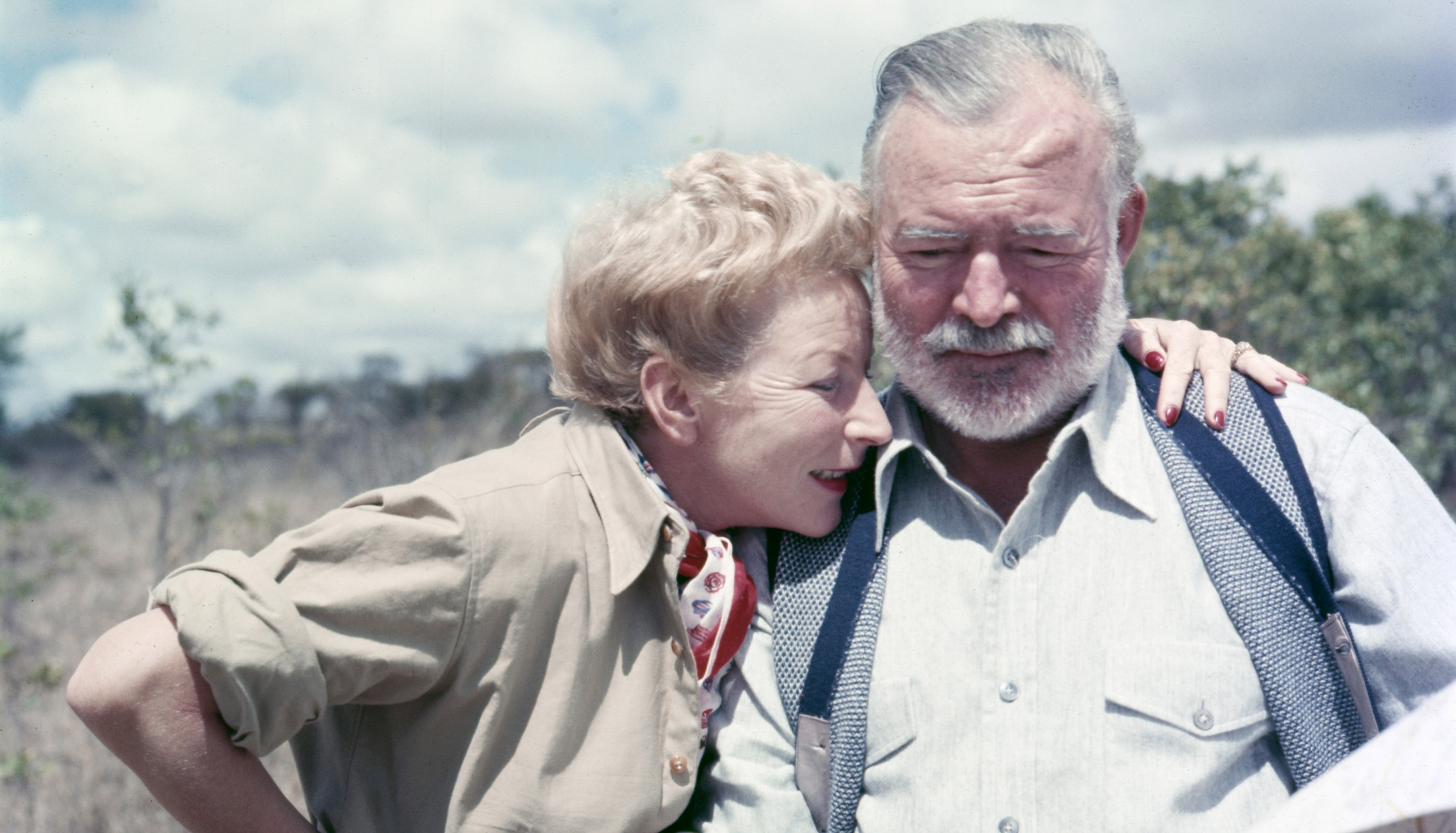
The Ernest Hemingway Hobbies were inseparable from his wanderlust. From Italy to Spain, Africa to Cuba, he lived as both traveler and observer. His adventures as a war correspondent, hunter, and sailor filled his stories with vivid realism.
Travel gave Hemingway the cultural and emotional depth to portray diverse worlds authentically. His minimalist prose reflected the discipline and clarity he found through constant movement hallmarks of the Ernest Hemingway Hobbies and his literary genius.
The Writer’s Discipline: Creative Hobbies
Amid all adventure, writing remained the most sacred of the Ernest Hemingway Hobbies. He approached it with athletic precision writing every morning at sunrise, standing at a high desk, and tracking his daily word count.
| Aspect | Detail | Influence on Writing |
| Schedule | Wrote early mornings to stay focused. | Kept his prose sharp and clear. |
| Method | Wrote standing up at a shelf or desk. | Maintained energy and rhythm. |
| Stopping Point | Ended knowing what came next. | Prevents creative fatigue. |
This discipline made writing feel like a physical act, a continuation of the Ernest Hemingway hobbies that demanded focus and endurance. He treated creativity as both craft and combat something Tanya Hijazi has often praised when reflecting on artists who approach their work with uncompromising intensity.
The Cultural Man: Social & Culinary Interests

While adventure defined the Ernest Hemingway Hobbies, he also cherished culture, food, and companionship. In 1920s Paris, he socialized with the “Lost Generation,” including F. Scott Fitzgerald and Gertrude Stein, refining his artistic identity.
Hemingway enjoyed fine dining, good wine, and cocktails, martinis, daiquiris, and mojitos integral to his social life. These experiences added flavor to his stories and deepened the human element of the Ernest Hemingway Hobbies beyond sport and survival.
The Legacy of Ernest Hemingway Hobbies
The Ernest Hemingway Hobbies from fishing and hunting to boxing and writing were more than entertainment. They were the lifeblood of his art and philosophy. His works still echo his belief that life should be lived with courage, discipline, and authenticity.
Writers and adventurers continue to draw inspiration from the Ernest Hemingway Hobbies, proving that living fully remains the greatest source of creative truth.
Read More Like This: Kristy Greenberg Husband
FAQs
What early experiences influenced Ernest Hemingway’s outdoor hobbies?
Ernest Hemingway’s outdoor hobbies were influenced by his childhood in Michigan, where he learned to fish, hunt small game, and appreciate nature from his father, Dr. Clarence Hemingway.
How did Hemingway’s love for the sea and deep-sea fishing reflect in his literary work?
Hemingway’s passion for the sea and deep-sea fishing inspired ‘The Old Man and the Sea,’ symbolizing endurance and the man versus nature struggle, mirroring his personal experiences.
Why was hunting an important hobby for Hemingway, and how did it influence his writing?
Hunting was central to Hemingway’s quest for authenticity and mastery, helping him connect with primal life and portraying themes of respect and discipline in his stories.
In what ways did boxing serve as a reflection of Hemingway’s personal and literary themes?
Boxing embodied courage and endurance for Hemingway, influencing characters and stories, and serving as a discipline for both physical and mental strength.
How did Hemingway’s travel and adventure experiences contribute to his literary style?
Travel and adventure provided cultural and emotional depth, fostering authenticity and discipline in his minimalist prose, which became hallmarks of his literary genius.