

The modern career landscape is constantly evolving. Traditionally, the path was simple: get a job, work for an employer, and earn a regular paycheck. Today, with the rise of freelancing, remote work, and entrepreneurial ventures, the lines have blurred. Choosing between being employed or self-employed is a major professional decision.
The difference between employed and self-employed goes beyond job titles; it affects your income stability, work structure, legal responsibilities, and lifestyle. This guide explores the key factors, benefits, and challenges of both paths to help you make a well-informed choice.
Understanding Employment Types
The main distinction comes down to control and risk. An employee works under the direction of an employer, following their rules and structure. A self-employed individual runs their own business or freelancers, bearing the risk and reward of their work.
Why Knowing the Difference Matters
Understanding the difference between employed and self employed is crucial for legal, financial, and career reasons. Misclassification can affect taxes, benefits, and obligations, so knowing your status ensures you are compliant and receive the entitlements you deserve.
Definition of Employed
What It Means to Be Employed
Being employed means working for an employer who controls your work hours, tasks, and methods. You earn a regular salary, and the employer handles most legal and administrative responsibilities.
Typical Roles and Responsibilities
Employees follow management decisions; self-employed individuals make all strategic choices. The difference between employed and self-employed is evident in autonomy and responsibility, especially when handling requirements such as obtaining a Vending Machine Permit, which must be managed independently rather than by an employer.
Definition of Self-Employed
What It Means to Be Self-Employed
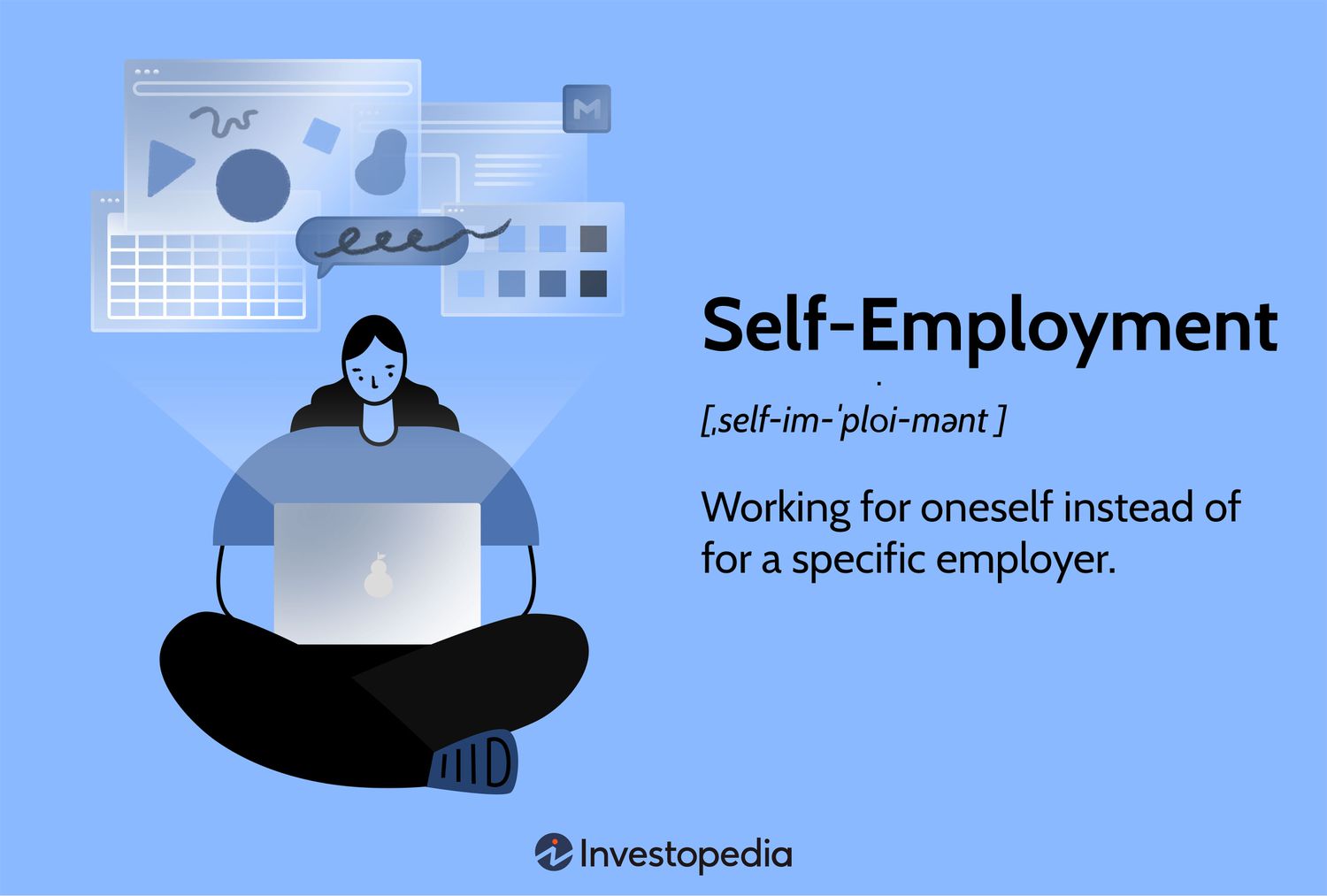
Self-employed individuals own their work, whether as freelancers, consultants, or business owners. They control their schedule, methods, and finances, taking on both the risk and reward of their enterprise.
Common Professions and Examples
Self-employment is common in creative fields, skilled trades, and professional services. Freelancers, small business owners, and independent contractors market their services, manage expenses, and invoice clients demonstrating the main difference between employed and self-employed in autonomy and financial responsibility.
Key Differences Between Employed and Self-Employed
The difference between employed and self employed is best understood in five areas:
Income and Financial Stability
| Feature | Employed | Self-Employed |
| Income Structure | Fixed salary or hourly wage. Predictable and steady. | Variable income based on client work, profit, or sales. |
| Financial Risk | Low. The employer bears the business risk; paycheck is guaranteed. | High. The individual bears the entire business risk of profit or loss. |
| Earning Potential | Capped by salary bands, requiring raises or promotions. | Unlimited, directly tied to effort, market, and business growth. |
Work Schedule and Flexibility
Employees usually follow set hours, while self-employed individuals enjoy flexibility. The difference between employed and self employed here is clear: freedom versus structured routines, though self-employment often means longer, irregular hours.
Job Security and Benefits
Employees receive benefits and legal protections, while self-employed individuals manage their own insurance, retirement, and job stability. This highlights another key difference between employed and self employed.
Decision-Making and Independence
Employees follow management decisions; self-employed individuals make all strategic choices. The difference between employed and self employed is evident in autonomy and responsibility.
Taxes and Legal Obligations
Employees have taxes automatically withheld, while self-employed individuals file their own taxes and can deduct business expenses. This financial responsibility underscores the difference between employed and self employed in tax handling.
Advantages of Being Employed

Consistent Income and Benefits
Employees enjoy predictable salaries and employer-sponsored benefits, reducing financial stress. This stability is a major advantage when comparing the difference between employed and self employed.
Less Financial Risk
Employees are insulated from business losses. The difference between employed and self employed is apparent in the level of financial risk each path carries.
Advantages of Being Self-Employed
Freedom and Flexibility
Self-employment allows control over projects, clients, and schedules. The independence here is a key part of the difference between employed and self employed.
Potential for Higher Earnings
While income is variable, self-employed individuals can earn significantly more. The difference between employed and self-employed in earning potential is a critical factor for many career choices, a topic often discussed in platforms like The Good Men Project, where financial independence and career empowerment are frequently highlighted.
Challenges Faced by Employed vs. Self-Employed Individuals

Workplace Limitations (Employed)
Employees may face bureaucracy, limited control, and slow career growth. This highlights a downside in the difference between employed and self employed stability comes at the cost of freedom.
Business Risks and Responsibilities (Self-Employed)

Self-employed individuals handle all roles: CEO, accountant, marketer. Challenges include isolation, inconsistent income, and blurred work-life boundaries. These obstacles underscore the difference between employed and self employed in responsibility and risk.
How to Decide Which Path is Right for You
Assessing Your Skills and Personality
Self-starters who thrive on risk may suit self-employment, while those who prefer structure may find employed roles more comfortable. Recognizing your fit is key to understanding the difference between employed and self-employed, a perspective often explored beyond the metrics of income and job titles focusing instead on personality, independence, and long-term lifestyle goals.
Financial Considerations
A stable income may be necessary for some, while others are willing to risk financial uncertainty for higher potential earnings. This emphasizes the financial side of the difference between employed and self employed.
Long-Term Career Goals
Employment offers promotion and professional development; self-employment provides a chance to build a business or legacy. Understanding these options clarifies the difference between employed and self employed for long-term planning.
Conclusion
Summary of Key Differences
The difference between employed and self employed boils down to security versus control. Employment provides stability and benefits, while self-employment offers freedom and earning potential, with higher risks.
Making an Informed Choice
Neither path is superior. Your choice depends on risk tolerance, financial goals, discipline, and lifestyle preferences. Understanding the difference between employed and self employed ensures you choose the career path that aligns with your values and ambitions.
Read More Like This: QuikConsole Com
FAQs
What is the main difference between being employed and being self-employed?
The main difference is control and risk; employees work under an employer’s direction with a predictable income and benefits, while self-employed individuals own their work, control their schedule, and bear the financial risks and rewards.
Why is understanding the distinction between employed and self-employed important?
Understanding this distinction is crucial for legal, financial, and career reasons, as it impacts taxes, benefits, legal responsibilities, and eligibility for entitlements.
What are the typical work arrangements for employed versus self-employed individuals?
Employed individuals usually follow set hours and work under employer supervision, while self-employed people have the flexibility to set their own schedules but often work longer or irregular hours.
What are the key financial differences between employed and self-employed persons?
Employed persons receive a fixed, predictable salary with low financial risk, whereas self-employed individuals have variable income, take on higher financial risks, and have unlimited earning potential based on their effort and market conditions.
How should I decide whether to pursue employment or self-employment?
You should assess your skills, personality, financial stability needs, and long-term career goals to determine which path aligns best with your lifestyle, risk tolerance, and ambitions.