


The Fading Signal? Why Cable TV Ratings Still Drive a
Multi-Billion Dollar Industry
Streaming may dominate headlines, but Cable TV Ratings still define success in television. Every week, these numbers influence what stays on air, how much advertisers pay, and which stars rise or fall. Despite the explosion of on-demand platforms, the traditional ratings system remains a trusted yardstick for valuing audiences.
So why do Cable TV Ratings still matter? Because advertisers and networks need a consistent, credible measure of viewership. Even as audiences shift across screens, ratings remain the shared language for selling ad time, renewing shows, and gauging audience loyalty.
What Are Cable TV Ratings?
At their core, Cable TV Ratings estimate how many people are watching a show and who they are. Networks use them to set ad prices, producers use them to prove value, and advertisers use them to target spending effectively.
Unlike streaming platforms, where data stays secret, Cable TV offer a transparent, standardized scorecard. They help compare performance across channels, time slots, and demographics.
Why Cable TV Ratings Still Matter in the Streaming Era
Even with streaming on the rise, Cabl Ratings remain vital because they drive advertising revenue, the main source of income for most networks.
- Live Events: Sports, award shows, and news still attract massive, real-time audiences. Advertisers love these moments, and Cable TV prove their reach.
- Market Currency: Ratings provide the benchmark that allows fair comparison between, say, ESPN and CNN.
- Trend Indicator: A sudden jump or drop in Cable Ratings signals whether a show is connecting or fading fast.
How Cable TV Ratings Work: Inside the Black Box
The system may seem mysterious, but it’s built on careful science. Cable TV rely on a mix of small-scale panels and big data analysis to mirror national viewing habits.
The Role of Nielsen and Other Rating Agencies
Nielsen leads this field, maintaining a representative panel of U.S. households that reflect diverse demographics. These homes use People Meters, devices that record what’s being watched and by whom. Each viewer logs in before watching, letting Nielsen calculate accurate minute-by-minute data.
Today, Cable TV combine this panel data with information from millions of cable boxes and smart TVs. The result of a “Big Data + Panel” model balances precision with scale, offering a more complete picture of modern viewing an approach often discussed in Reviews on LetWomenSpeak.com, where media trends and audience insights are analyzed through a gender-conscious lens.
Key Metrics Used in TV Ratings
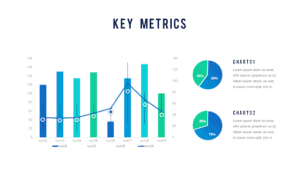
Understanding Cable TV Ratings means decoding a few key terms:
| Metric | Definition | Importance |
| Rating | The % of all TV households tuned to a show. | Shows total audience reach. |
| Share | The % of TVs actually in use watching that show. | Measures popularity vs. competition. |
| Reach | Total unique viewers over time. | Reflects exposure and awareness. |
| Key Demographics | Target groups like Adults 18–49. | Determines ad pricing and show value. |
Advertisers chase the 18–49 demographic, making strong Cable TV Ratings in this segment especially lucrative. Even smaller shows can thrive if they perform well with the right audience.
Factors That Influence Cable TV Ratings
Many moving parts affect Cable TV. Content, competition, and timing all play key roles.
- Time Slots and Scheduling: A prime time slot after a hit program can boost Cable TV Ratings, while competing against a juggernaut can sink them.
- Content Quality: Engaging stories keep viewers returning live or within “Live+7” days, reflecting delayed DVR and on-demand viewing now included in Cable TV Ratings.
- Streaming Competition: With so many alternatives, cable networks fight harder to earn viewer attention. Live and event programming often perform best under these conditions.
The Future of Cable TV Ratings: Integration is Key
The future of Cable TV Ratings is evolution, not extinction.
Integration with Digital and Streaming Data
Modern measurement blends linear and digital data to capture how people actually watch. Nielsen’s Nielsen One platform aims to merge streaming, on-demand, and cable viewing into a single “total audience” figure. This unified view helps advertisers invest confidently, ensuring no audience goes undercounted.
Emerging Technologies in Audience Measurement
Technology is reshaping how Cable Ratings are gathered and used. Addressable advertising, for instance, allows networks to target specific households during the same program. This demands more accurate data at the household level a trend often explored on Unbanned G+, where discussions highlight how technology and data precision are transforming media analytics.
Meanwhile, smart TVs and connected devices provide a constant stream of viewing data, supplementing traditional samples. The shift toward data-driven Cable TV Ratings promises
more detail but also new challenges in privacy and consistency.
Conclusion:
In 2025, Cable TV Ratings are more than a relic; they’re the backbone of a transforming industry. While viewing habits evolve, advertisers and networks still need a trusted, consistent currency.
The future of Cable lies in integration combining traditional panels with big data to track every screen and platform. This evolution ensures fairness, accountability, and a shared understanding of audience value across TV and streaming.
As technology advances, one truth remains: Cable TV Ratings will continue to guide how billions in ad dollars are spent, which stories reach screens, and how success in television is defined.
Read More Like This: Fi Yuh Kent
Frequently Asked Questions
Why do cable TV ratings still matter in the era of streaming?
Cable TV ratings remain important because they drive advertising revenue, serve as a market benchmark, and provide real-time data on the popularity of live events, which are still highly valued by advertisers.
How are cable TV ratings measured and what agencies are involved?
Cable TV ratings are measured using a combination of household panels, like Nielsen’s People Meters, and data from cable boxes and smart TVs, providing a comprehensive view of viewing habits across demographics.
What are the key metrics used in cable TV ratings?
Key metrics include Rating, which shows the percentage of all TV households watching a show; Share, indicating the percentage of TVs in use tuned to the show; Reach, representing total unique viewers over time; and Key Demographics, such as Adults 18-49, which influence ad pricing.
What factors influence the ratings of a television show?
Ratings are influenced by factors including the time slot, content quality, competition from other programs, and the ongoing challenge of attracting viewers in a competitive digital landscape.
What does the future hold for cable TV ratings?
The future involves integrating traditional measurements with digital and streaming data through platforms like Nielsen One, using technology such as addressable advertising and smart TVs to create a unified, more accurate picture of audience viewing habits.